





Color Seçenekleri
|
ORDER BY PHONE
0212 543 43 80
Click and leave your number. We will call you.
DX7 UV Ink 1000ml - Hard & Soft Surface
Color Seçenekleri
|
ORDER BY PHONE
0212 543 43 80
Click and leave your number. We will call you.

DX5 -DX7 -5113 Uv Ink 1000 ml (Sert and Yumuşak Zemin)
Print even on heat-sensitive materials
There is no need for UV technology to heat materials to start polymerization, enabling the printing of new materials such as plastics, leather, membrane, etc.
Flexible prints
Eagle's inks are semi-flexible, and printing can be done even on flexible materials such as films, bags, leather, etc.
Print on countless materials
UV technology is extremely flexible and allows printing on a variety of materials: metals, glass, plastic, wood, leather.
Ready-to-use materials immediately
With UV Led technology, printed materials are ready for use immediately without further processing or waiting.
Longer-lasting lamps and energy saving
The lamps used to cure UV Led inks are much more durable than UV printing lamps, consuming much less energy.
Special effects with gloss
UV Led inks also have gloss that can paint on parts of the graphics for shiny visual effects.
High print quality
The high quality of the inks, combined with high precision, allows you to achieve photo quality in most environments.
High durability
Prints made with UV Led ink are very resistant to scratches and wear and do not fear bad weather conditions. Therefore, it is possible to create products suitable for long-lasting outdoor environments.
Areas of Use
-PVC
-GLASS
-METAL
-ACRYLIC
-WOOD
-CARDBOARD
-POLYCARBONATE
-PLASTIC
PRODUCT DESCRIPTIONS
WHAT IS UV (ULTRAVIOLET) LIGHT?
UV light is part of the electromagnetic spectrum. The wavelength of UV light ranges between 50 and 400 nanometers. For comparison, visible lights have a slightly longer wavelength and X-rays have a shorter wavelength. The sun emits lights at all different wavelengths of the electromagnetic spectrum, and UV light causes the phenomenon we call sunburn. Although most of these UV rays emitted from the sun are absorbed by various gases, especially ozone, some of them pass through the atmosphere and reach the earth's surface.
WHAT IS UV INK?
UV inks have been widely used in the printing industry for more than 20 years, and their use is becoming more widespread day by day. Water-Based and Solvent-Based inks used in other printing technologies contain water or solvent that must evaporate during the post-print drying process. In UV inks, the drying or fixing process must be carried out while the ink is applied to the media. Simply put, the ink is applied to the surface and instantly dried/fixed via UV lights. Since UV inks contain very little or almost no solvent (They do not contain Volatile Organic Compounds) and therefore have very little impact on environmental pollution, interest in their use continues to increase. UV inks offer some important advantages for printing systems. One of the most important advantages is that it allows the image to be fixed in the desired properties due to its instant drying feature. As a result, it provides high-speed printing capability without requiring a large and complicated drying system. Since UV inks do not dry in the reservoirs, it also allows the elimination of annoying problems that affect efficiency and workflow, such as reservoir cleaning processes. Since UV ink does not penetrate the printing material like solvent ink and remains on the surface, it allows printing on a much wider variety of printing materials. Prints made with UV ink, unlike prints made with solvent, are completely more resistant to water and largely more resistant to light.
HOW DOES UV INK WORK?
UV Inks consist of monomers, oligomers, photo-initiators, pigments and various additives to control the specific parameters of ink performance. The mechanical fusion or polymerization process that occurs when the ink dries is carried out by photo-initiators through the method of absorbing light at specific wavelengths from the UV light source. When light is absorbed, reactive particles or free radicals are formed and the associated polymerization reaction is initiated. As polymerization continues, the ink film becomes capable of providing a higher rate of mechanical fusion and imparts hardness, gloss, flexibility and adhesion properties to the ink film.
WHAT MATERIALS CAN BE PRINTED WITH UV INK?
It is possible to print with UV ink on most hard materials such as Plexiglas, forex, photoblock, PVC, wood and the like.


DX5 -DX7 -5113 Uv Ink 1000 ml (Sert and Yumuşak Zemin)
Print even on heat-sensitive materials
There is no need for UV technology to heat materials to start polymerization, enabling the printing of new materials such as plastics, leather, membrane, etc.
Flexible prints
Eagle's inks are semi-flexible, and printing can be done even on flexible materials such as films, bags, leather, etc.
Print on countless materials
UV technology is extremely flexible and allows printing on a variety of materials: metals, glass, plastic, wood, leather.
Ready-to-use materials immediately
With UV Led technology, printed materials are ready for use immediately without further processing or waiting.
Longer-lasting lamps and energy saving
The lamps used to cure UV Led inks are much more durable than UV printing lamps, consuming much less energy.
Special effects with gloss
UV Led inks also have gloss that can paint on parts of the graphics for shiny visual effects.
High print quality
The high quality of the inks, combined with high precision, allows you to achieve photo quality in most environments.
High durability
Prints made with UV Led ink are very resistant to scratches and wear and do not fear bad weather conditions. Therefore, it is possible to create products suitable for long-lasting outdoor environments.
Areas of Use
-PVC
-GLASS
-METAL
-ACRYLIC
-WOOD
-CARDBOARD
-POLYCARBONATE
-PLASTIC
PRODUCT DESCRIPTIONS
WHAT IS UV (ULTRAVIOLET) LIGHT?
UV light is part of the electromagnetic spectrum. The wavelength of UV light ranges between 50 and 400 nanometers. For comparison, visible lights have a slightly longer wavelength and X-rays have a shorter wavelength. The sun emits lights at all different wavelengths of the electromagnetic spectrum, and UV light causes the phenomenon we call sunburn. Although most of these UV rays emitted from the sun are absorbed by various gases, especially ozone, some of them pass through the atmosphere and reach the earth's surface.
WHAT IS UV INK?
UV inks have been widely used in the printing industry for more than 20 years, and their use is becoming more widespread day by day. Water-Based and Solvent-Based inks used in other printing technologies contain water or solvent that must evaporate during the post-print drying process. In UV inks, the drying or fixing process must be carried out while the ink is applied to the media. Simply put, the ink is applied to the surface and instantly dried/fixed via UV lights. Since UV inks contain very little or almost no solvent (They do not contain Volatile Organic Compounds) and therefore have very little impact on environmental pollution, interest in their use continues to increase. UV inks offer some important advantages for printing systems. One of the most important advantages is that it allows the image to be fixed in the desired properties due to its instant drying feature. As a result, it provides high-speed printing capability without requiring a large and complicated drying system. Since UV inks do not dry in the reservoirs, it also allows the elimination of annoying problems that affect efficiency and workflow, such as reservoir cleaning processes. Since UV ink does not penetrate the printing material like solvent ink and remains on the surface, it allows printing on a much wider variety of printing materials. Prints made with UV ink, unlike prints made with solvent, are completely more resistant to water and largely more resistant to light.
HOW DOES UV INK WORK?
UV Inks consist of monomers, oligomers, photo-initiators, pigments and various additives to control the specific parameters of ink performance. The mechanical fusion or polymerization process that occurs when the ink dries is carried out by photo-initiators through the method of absorbing light at specific wavelengths from the UV light source. When light is absorbed, reactive particles or free radicals are formed and the associated polymerization reaction is initiated. As polymerization continues, the ink film becomes capable of providing a higher rate of mechanical fusion and imparts hardness, gloss, flexibility and adhesion properties to the ink film.
WHAT MATERIALS CAN BE PRINTED WITH UV INK?
It is possible to print with UV ink on most hard materials such as Plexiglas, forex, photoblock, PVC, wood and the like.
Bank-specific installment options:
You can return purchased products within 14 days, no questions asked. Returned items must be in their original, undamaged packaging and include the invoice.
We cover the shipping cost for defective products; otherwise, return shipping is paid by the buyer. Please use only Aras Kargo for returns; shipments sent with other carriers will not be accepted by our returns department.
For accepted returns, the refund is issued the same day to the card used for payment (the time it takes to appear may vary depending on your bank).
You May Also Like 👑
 %13
%13  %13
%13  %13
%13  %13
%13  %13
%13  %13
%13  %13
%13  %13
%13  %13
%13  %13
%13  %13
%13  %13
%13  %13
%13  %13
%13  %13
%13  %13
%13  %13
%13  %13
%13  %13
%13 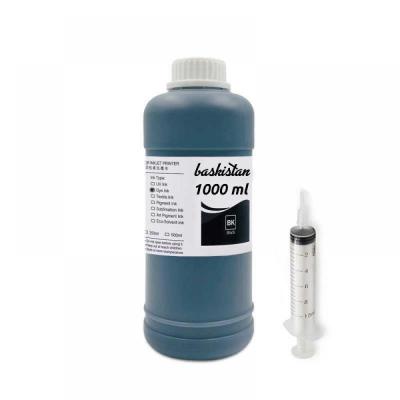 %13
%13 